
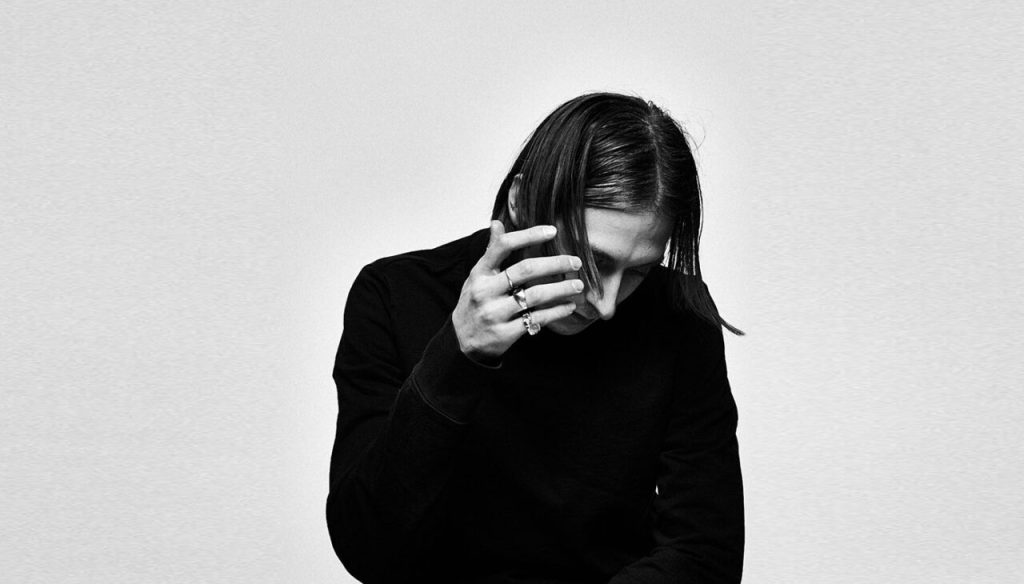
Within the contemporary lo-fi and deep house landscape, Baltra has established one of the most immediately recognizable sonic signatures.
His productions sit at the intersection of nostalgic house, softened breakbeats, slowed-down vocal samples, and melodies that feel as if they were lifted from worn-out 1990s cassette tapes. There is always a strong emotional core in his music, but it is never pushed into melodrama. Instead, it stays restrained, almost understated, which makes it even more effective.
What defines Baltra’s sound is not just texture, but atmosphere. His tracks feel like fragments of urban memory – fleeting impressions of night drives, empty streets illuminated by streetlights, and the quiet solitude of cities seen through train windows. It is club music, but filtered through distance and reflection.
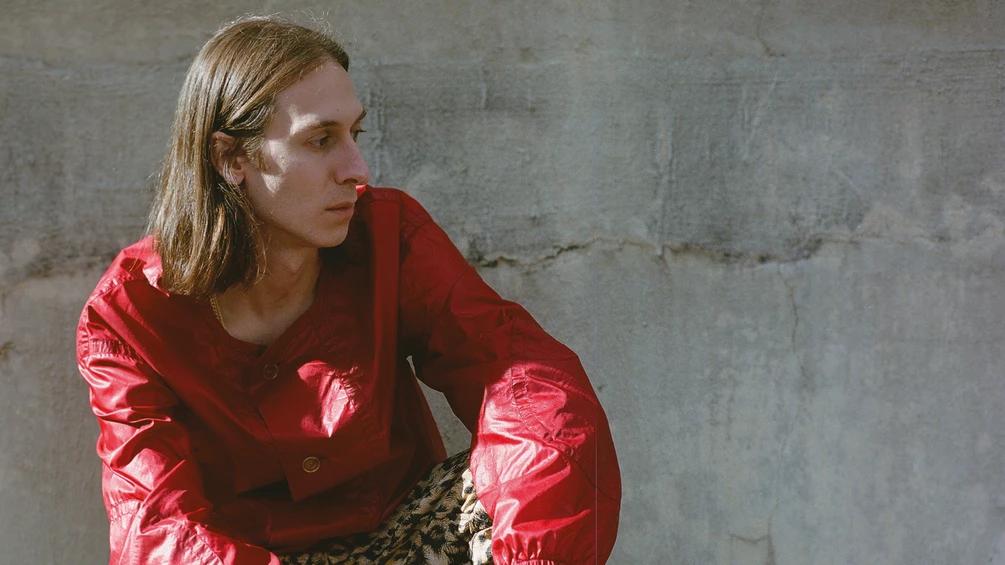
Unlike more aggressive forms of modern electronic music, Baltra does not rely on intensity or structural tension. His compositions are built on drift rather than escalation. Beats glide rather than hit. Melodies unfold rather than demand attention. Everything feels slightly blurred, as if viewed through a windshield on a rainy night.
This aesthetic places him firmly within a lineage of emotionally driven house music, yet his interpretation is distinct.
In pieces like Never Let Go or Fantasy, this approach becomes especially clear. The rhythm is steady but softened, the vocal fragments distant and fragmented, the harmonic structure minimal yet emotionally loaded. Rather than pushing toward catharsis, the music lingers in suspension – a state between memory and motion.
Baltra’s strength lies in his ability to evoke familiarity without clarity. His music feels like something you’ve heard before, even when you haven’t. That sense of déjà vu is central to his aesthetic identity and explains much of his lasting appeal.
In the broader context of lo-fi house, where trends often shift rapidly between raw nostalgia and polished revivalism, Baltra maintains a consistent emotional language: restrained, atmospheric, and deeply urban.
Ultimately, his music is less about songs and more about spaces – mental, physical, and emotional. It maps the quiet moments between destinations.
Recommended listening:



Leave a Reply